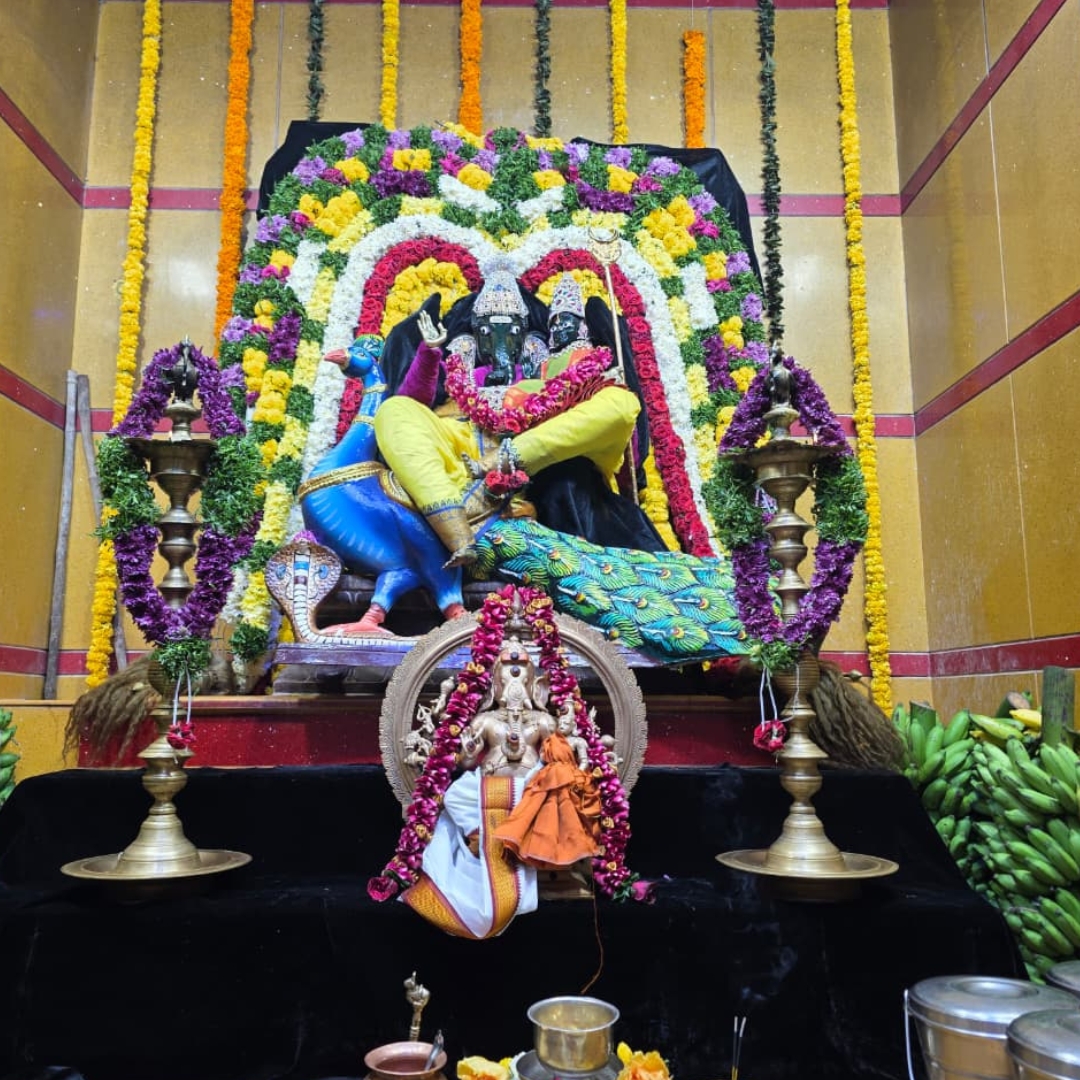
Marakatha Sri Lakshmi Ganapathi Devasthanam
Kanajiguda, Secunderabad, Telangana
Kanajiguda, Secunderabad, Telangana

Major festivals are celebrated with special rituals, alankarams, and cultural programs.
In every Manvantara, Kalpa, and Yuga, whenever negative forces grow and trouble the worlds,
the Supreme Divine Power manifests. The great Ganapati’s divine Shakti appears in feminine form
as the Goddess — manifesting as Mahakali, Mahalakshmi, and Mahasaraswati — and destroys powerful
demons such as Madhu–Kaitabha, Mahishasura, Shumbha-Nishumbha, Chanda–Munda, Durgamasura, and others.
During Sharannavarathri, the Goddess is worshipped in multiple Lakshmi forms including
Adi Lakshmi, Dhanya Lakshmi, Dhairya Lakshmi, Gaja Lakshmi, Santana Lakshmi, Vijaya Lakshmi,
Vidya Lakshmi, Dhana Lakshmi, and Marakata Lakshmi.
By worshipping these forms with devotion, devotees obtain Ashta Aishwarya, health,
removal of enemy troubles, and success in all directions.
A traditional verse says that there is no month equal to Karthika in holiness.
Worship of Hari (Vishnu) and Hara (Shiva) through sacred bathing, charity, mantra chanting,
lamp worship (Deepa Aradhana), and food donations removes sorrows and grants spiritual merit.
Special observances include Maha Nyasa Purvaka Ekadasha Rudrabhishekam, Rudra Homam,
Lakshmi Narayana Vrata, Deepa Dana, Satyanarayana Swamy Vratham,
Lakshmi Ganapati & Lakshmi Kubera Homams.
Benefits include prosperity, health, removal of sins and doshas,
education, marriage blessings, progeny, authority, and peace of mind.
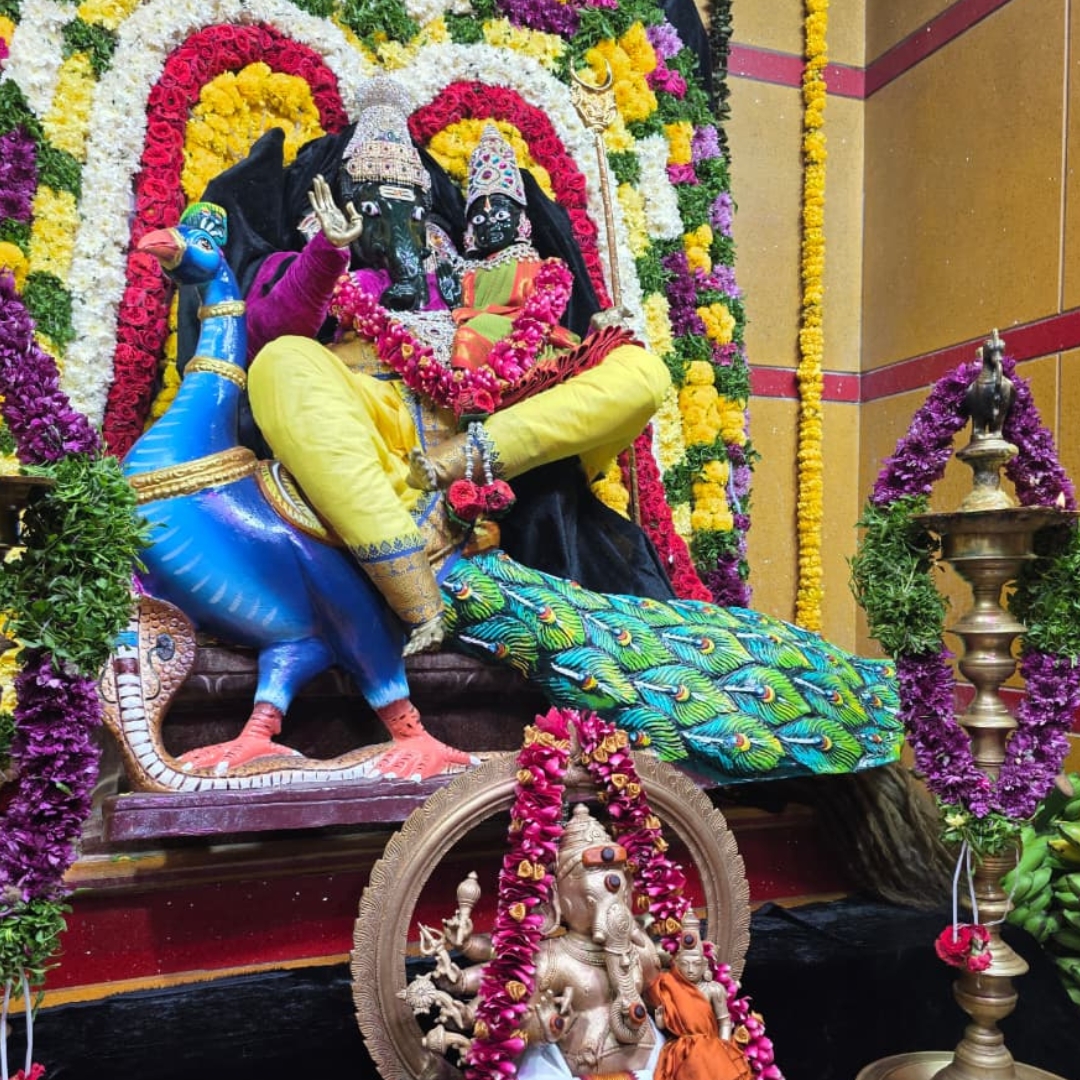
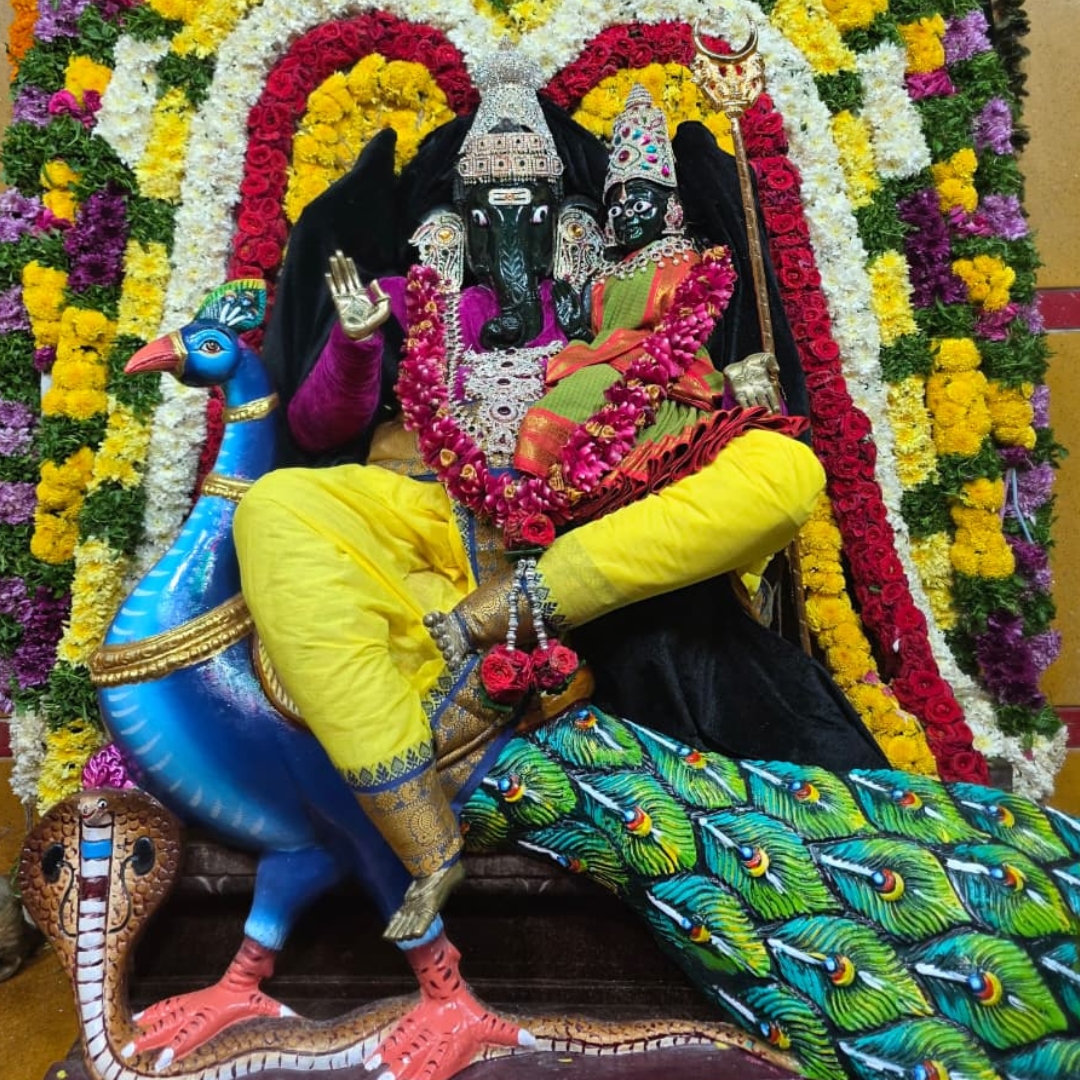
Marakata Lakshmi Ganapati Swamy is described as the embodiment of the primordial Pranava (Om),
the supreme leader of the three worlds, and the all-pervading divine presence in the universe.
Every year, from Chaitra Shuddha Vidiya to Panchami, the grand Brahmotsavam festival is celebrated
with Rathotsavam, Homams, Maha Poornahuti, Shanti Kalyanam, and sacred rituals.
Participation is believed to remove Navagraha doshas, reduce afflictions,
remove obstacles, grant wealth, prosperity, success, and overall auspiciousness.